A LAWS fund for feline heart care, in partnership with the cardiology team at Colorado State University.
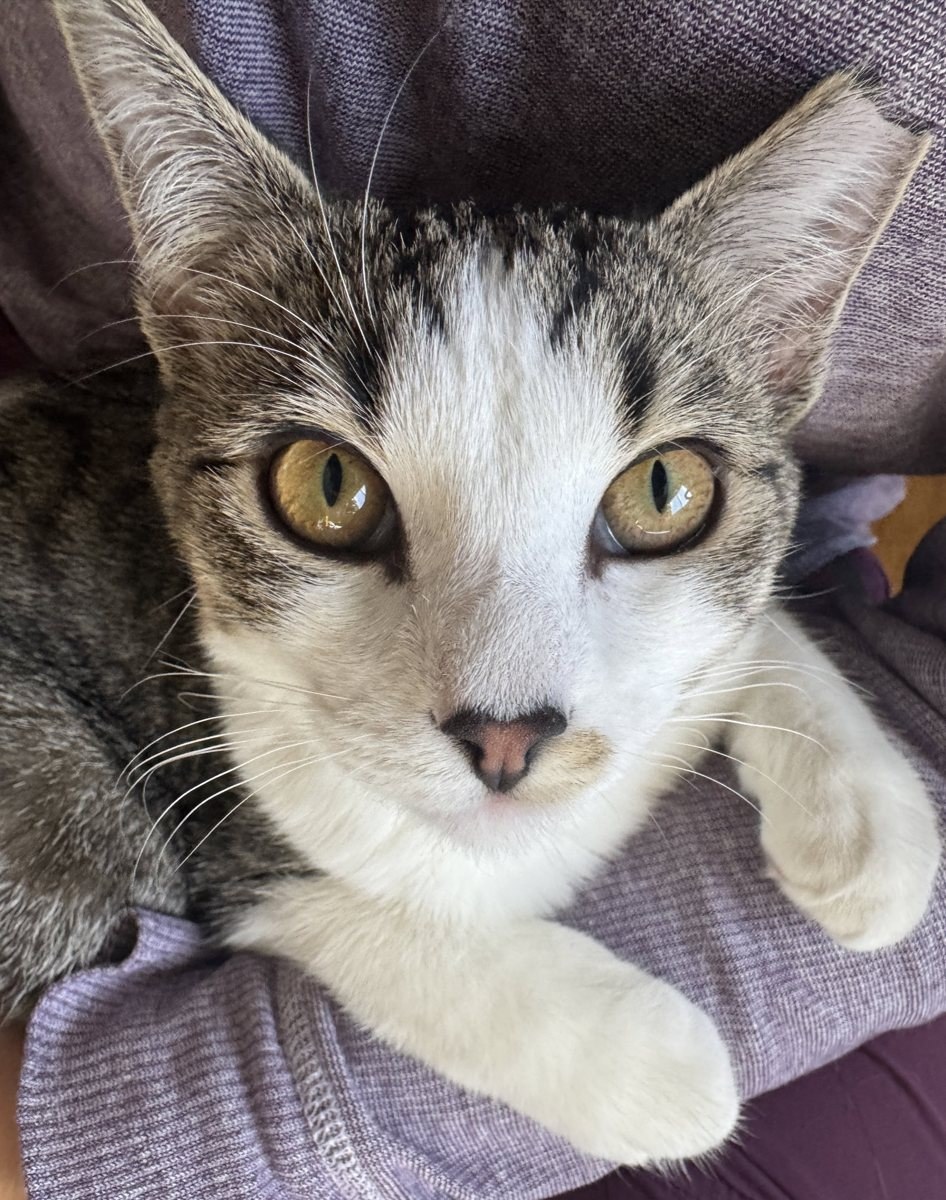
Willow started as a stray, one of countless kittens born outdoors around Laramie and scooped up through a trap-neuter-return effort in the summer of 2025. At the routine visit where he was neutered and vaccinated, a veterinarian heard something his size and energy hid completely: a loud heart murmur.
Gem City Veterinary here in Laramie listened closer and sent him to the cardiology team at Colorado State University. An echocardiogram showed his heart was not built quite right, likely hypertrophic cardiomyopathy, the most common heart disease in cats. A heart condition can make a cat all but unadoptable, but the family that had already taken in his brothers chose him because of who he was, not in spite of it.
Willow got what every cat deserves: a warm lap, sunny windows, and someone who treasured the ordinary days. His heart gave out on April 27, 2026, sooner than any of us wanted. The love in it never did.
Roughly one in seven outwardly healthy cats has HCM when screened. It is the most common feline heart disease, and ordinary house cats get it too.
Many cats show no symptoms, sometimes not even a murmur. The first sign is too often a sudden crisis: trouble breathing, a clot, or sudden loss.
The only way to truly know is an echocardiogram, a heart ultrasound by a cardiologist, like the team at CSU. It turns “a murmur” into a real, treatable diagnosis.
Heart disease has no quick cure, but caught early it can often be managed well with the right medication and monitoring, giving a cat a good, long life.
Willow’s two brothers, Oakie and Alder, also have heart defects. Alder’s is thought to be much like Willow’s. Alder and Willow were both started on a beta blocker, atenolol, to slow the heart down and give it more time to fill between beats.
Willow did not make it to his follow-up. Alder did, and his heart showed a major improvement on the medication. Every cat is different, but Alder’s story shows what becomes possible when a cat’s heart is checked early enough to act.
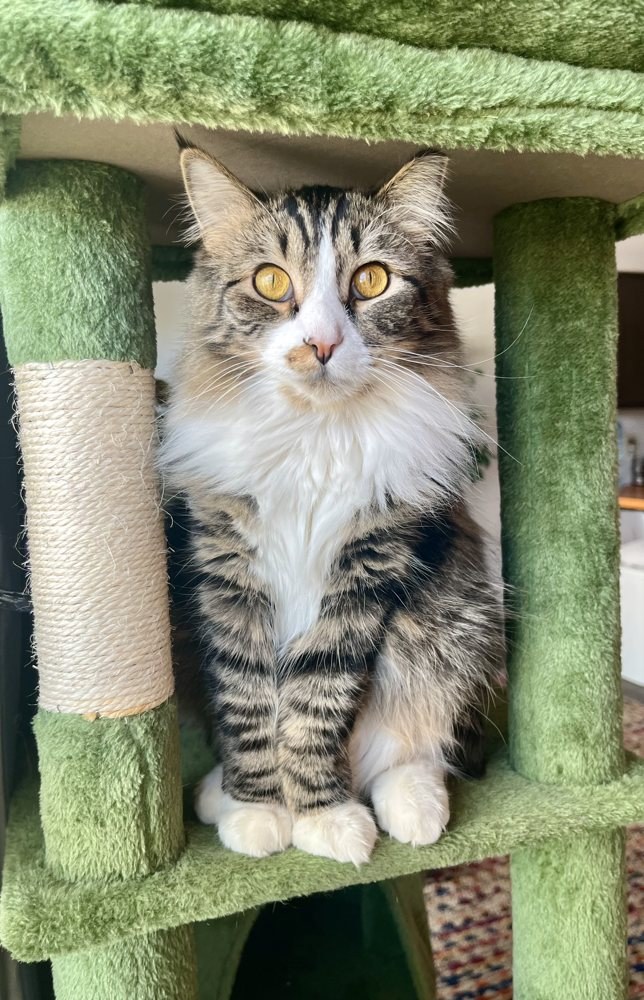
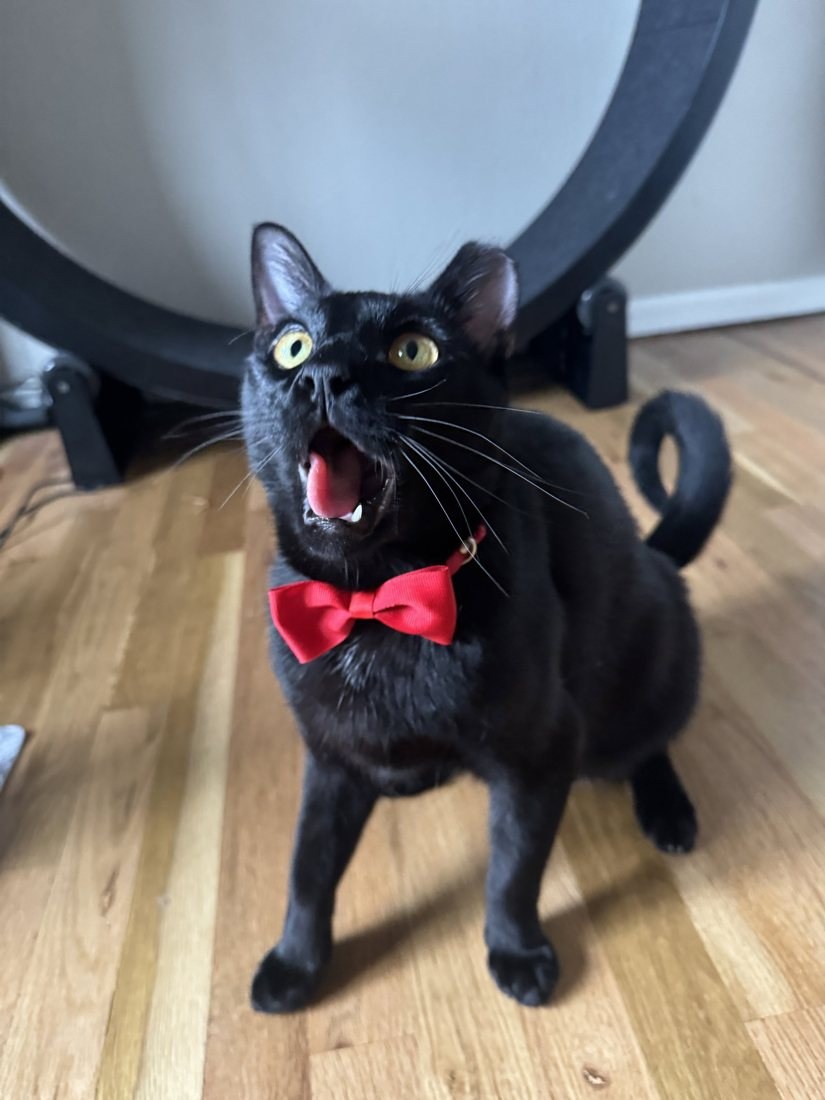
Hex was born with a patent ductus arteriosus, a blood vessel that should close at birth and did not. It took two procedures to close it, and since the last one in early 2026 he needs no further heart surgery. He takes a twice-a-day heart medication without a fuss, and is otherwise healthy, rambunctious, and thoroughly adored.
Hex is exactly the cat Willow’s Fund is for, and exactly what becomes possible when a cat’s heart gets the care it needs.
A stethoscope check is affordable but misses most heart disease. The echocardiogram that actually finds and grades it can cost more than many shelters spend on a cat’s entire care. That is the gap this fund closes.
The cardiology workup at CSU that turns a murmur into a diagnosis early, while there is still time to act.
The medication, surgery, and specialist care that treat heart disease and lower the risk of a sudden crisis.
The repeat echoes that follow a cat’s heart over time and catch trouble early.
Emergency and end-of-life care, so no cat faces a heart crisis without help.
An echocardiogram and cardiology consult commonly run $600 to $900. For a cat with heart disease, that screening is the thing that makes everything else possible. Costs are approximate and vary.
Your gift goes to the Laramie Animal Welfare Society in Willow’s memory and supports feline heart care, a partnership with the cardiology team at Colorado State University.
Donate to Willow’s Fund